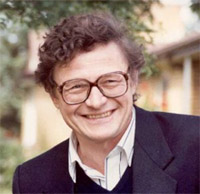
Roberto Gonzalez Barrera: The Architect of a $2 Billion Fortune
The name Roberto Gonzalez Barrera evokes images of entrepreneurial prowess, visionary leadership, and an astounding rags-to-riches journey. As the driving force behind two of Mexico's most iconic companies, Gruma and Banorte, his life story is a testament to unwavering determination. At the time of his passing in 2012, Roberto Gonzalez Barrera's net worth was estimated to be a formidable $2 billion, a colossal sum reflecting a lifetime dedicated to building an empire from the ground up.
Gonzalez Barrera wasn't merely a businessman; he was a titan who reshaped industries and brought an ancient staple food – the tortilla – to a global stage. His journey, marked by hardship and relentless ambition, provides invaluable insights into the making of a billionaire.
From Humble Beginnings to Business Acumen: The Early Spark
Born on September 1, 1930, in the modest town of Cerralvo, Nuevo León, Mexico, Roberto Gonzalez Barrera's path to immense wealth began not in boardrooms, but on dusty streets. His childhood was far from privileged. By the tender age of five, even before starting school, he was already demonstrating an innate entrepreneurial spirit, diligently selling eggs, bread, vegetables, and other foodstuffs in his native town. This early exposure to commerce wasn't a chore for him; as he once wrote in an institutional profile, "My childhood was very happy but I did not miss school. When I had free time I went to the streets to make money."
His resourcefulness didn't stop there. Upon entering primary school, he added shoe-shining to his growing list of ventures. By the age of 11, the formal classroom couldn't hold his ambition any longer. He left school to work in a grocery warehouse owned by his father in Cerralvo, specializing in dairy products. By 15, he had transcended employee status and launched his very own business. A pivotal moment from this period, as recounted by Gonzalez Barrera himself, was his grandfather's simple yet profound advice: after inquiring which of his many enterprises was most profitable (selling vegetables), his grandfather urged, "Give yourself completely to it and do nothing more." This became a guiding principle, a call to focused action that would define his future.
His early career was characterized by diverse and often challenging experiences:
- He worked in Veracruz as a driver, undertaking the perilous task of transporting explosives – a job no one else wanted due to its inherent risks.
- He partnered in a small but lucrative coconut plantation, demonstrating an ability to spot and capitalize on unconventional opportunities.
Despite contracting malaria, he returned to Cerralvo with a substantial 200,000 pesos from his coconut venture, proving his capacity to turn hardship into profit. This capital allowed him to re-enter a joint partnership with his father, expanding existing family businesses and initiating new projects, setting the stage for his most significant endeavor.
Gruma: The "King of Tortillas" and a Global Legacy
The turning point in Roberto Gonzalez Barrera's legendary career arrived at age 18, when he encountered a corn mill. Intrigued, he learned about the process of making tortillas and quickly grasped the immense potential. He observed that cotton workers alone consumed up to 15 tons of corn per month – a powerful indicator of market demand. This insight sparked the idea that would transform him into the "King of Tortillas" and lay the foundation for a significant portion of his roberto gonzalez barrera net worth.
In 1948, after convincing his father, they purchased their first corn mill for 75,000 pesos. This was no small feat; it required selling all their other businesses. When funds ran low, an influential friend, General Bonifacio Salinas Leal, then governor of Nuevo León, provided crucial financial support. This was the genesis of Maseca, a company that would eventually become Gruma.
Gonzalez Barrera's vision was revolutionary. He didn't just sell corn; he perfected the process of producing nixtamalized corn flour (masa harina), making it easier and more efficient for households and businesses to prepare tortillas. Gruma, through its iconic Maseca brand, transformed how tortillas were made and consumed, not just in Mexico but across the globe. Today, Gruma is recognized as the largest producer of corn flour and tortillas in the world, with its products reaching Europe, Asia, and Central America, manufacturing one out of every four corn tortillas consumed in these regions. His pivotal role in the expansion of Gruma earned him nicknames like "El Maseco" and "Don Maseco," cementing his place in business history.
To learn more about his incredible journey with Gruma, read: The King of Tortillas: Roberto Gonzalez Barrera's Gruma Legacy.
Beyond Tortillas: The Banorte Financial Powerhouse
While Gruma was his crowning achievement in the food industry, Roberto Gonzalez Barrera's business acumen extended into the financial sector with equal success. He became the chairman of Banorte, which grew under his leadership to become the largest Mexican-owned private bank in Mexico. This diversification into banking further solidified his financial empire and contributed significantly to his vast wealth.
His ability to navigate two vastly different industries – food manufacturing and finance – underscored his versatile strategic thinking and his capacity to identify and seize opportunities across various economic landscapes. Banorte's success demonstrated that his Midas touch wasn't limited to a single sector, but rather a reflection of a core philosophy centered on identifying fundamental needs and building robust systems to meet them.
Lessons from a Billionaire: Principles Behind His $2 Billion Net Worth
The story of Roberto Gonzalez Barrera is more than just an account of wealth; it's a masterclass in entrepreneurship. Several key principles emerge from his life:
- Start Early and Stay Hungry: His journey began at five, fueled by a relentless drive to make money and solve problems. This early immersion in commerce forged his business instincts.
- Identify Fundamental Needs: He recognized the universal need for food and financial services. By modernizing and scaling the production of a staple food like tortillas, he tapped into a perpetual market.
- Visionary Innovation: He didn't just sell corn; he innovated the process, making it more accessible and efficient, thereby creating new market possibilities for corn flour.
- Risk-Taking and Resilience: From transporting explosives to selling off all family businesses to buy a corn mill, Barrera was not afraid to take calculated risks and recover from setbacks.
- Focus and Specialization: His grandfather's advice, "Give yourself completely to it and do nothing more," resonated deeply. While diversified later, his initial focus on one venture at a time allowed him to master it.
- Strategic Partnerships: The loan from General Salinas Leal was crucial. Recognizing the value of relationships and leveraging support from others can be a game-changer.
His life exemplifies the power of persistence, a sharp eye for opportunity, and the courage to challenge traditional methods. For those interested in the full scope of his ascent, delve into From Poverty to Billions: The Rise of Roberto Gonzalez Barrera.
Conclusion: The Enduring Legacy of Roberto Gonzalez Barrera
Roberto Gonzalez Barrera passed away on August 25, 2012, just shy of his 82nd birthday, leaving behind an indelible mark on Mexico and the world. His estimated $2 billion net worth was not just a figure; it was a testament to a life built on grit, innovation, and an unwavering commitment to his vision. He transformed a simple grain into a global enterprise and provided essential financial services to millions. His story continues to inspire countless aspiring entrepreneurs, demonstrating that with passion, hard work, and a keen business sense, one can indeed build an empire from the most humble of beginnings.